Flat Roof Construction Service
Affordable Flat Roof Construction
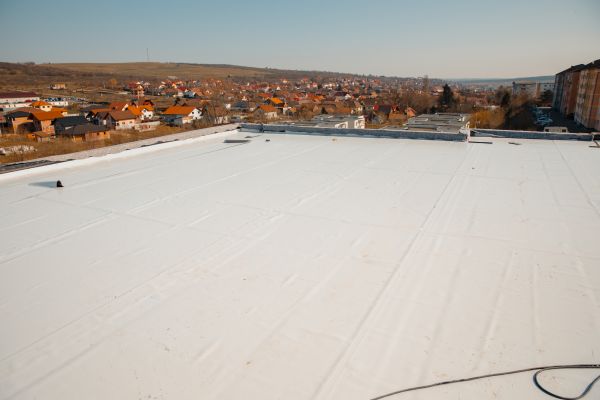
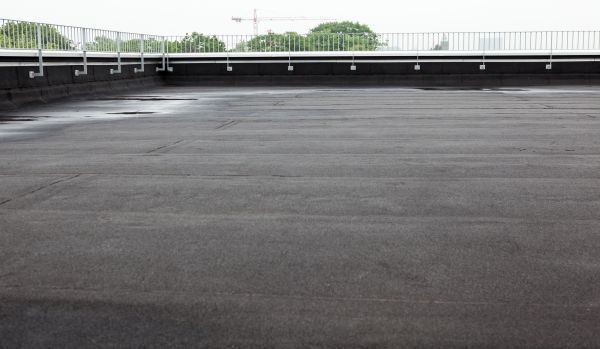
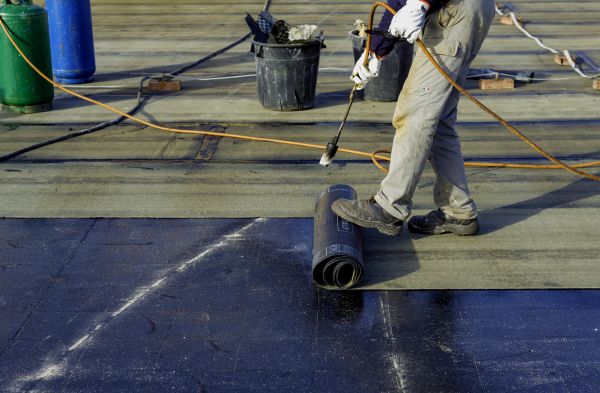
Flat roof construction is a specialized process that involves creating a roof with a minimal slope, typically less than 10 degrees. This type of roofing is commonly used in commercial buildings but is also gaining popularity in residential architecture due to its modern aesthetic and practical benefits. Flat roofs are crucial as they offer a range of advantages, including efficient use of space, ease of maintenance, and cost-effectiveness. Proper construction and installation are critical to ensure durability, water resistance, and thermal efficiency, making it essential to choose experienced professionals for the job.
Benefits of Flat Roof Construction
-
Cost-Effectiveness
Flat roofs generally require fewer materials and less labor to construct compared to pitched roofs, making them a more affordable option for many building projects. The simplicity of their design means that repairs and maintenance are typically less costly as well. -
Space Utilization
One of the standout features of flat roofs is the ability to use the roof space for various purposes. Whether it's installing solar panels, creating a rooftop garden, or simply using the area for storage, flat roofs offer flexibility that sloped roofs do not. -
Ease of Access and Maintenance
With a flat roof, accessing the rooftop for maintenance tasks is significantly easier and safer than with a pitched roof. This ease of access can lead to more regular maintenance checks and longer roof life. -
Modern Aesthetic
Flat roofs provide a sleek, contemporary look that complements modern architectural styles. They can be designed to blend seamlessly with the overall structure, enhancing the visual appeal of a building. -
Energy Efficiency
Flat roofs can be designed with materials that improve insulation and reduce energy consumption. By keeping buildings cooler in summer and warmer in winter, they contribute to lower utility bills and a reduced environmental footprint.
FAQs About Flat Roof Construction
What materials are commonly used in flat roof construction?
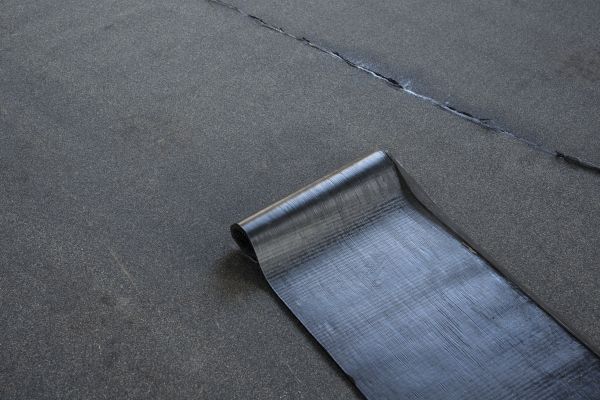
Flat roofs are typically constructed using materials such as modified bitumen, EPDM rubber, PVC, and TPO. Each material offers different benefits in terms of durability, cost, and energy efficiency.
How long does a flat roof typically last?
With proper installation and regular maintenance, a flat roof can last anywhere from 20 to 30 years, depending on the materials used and environmental conditions.
Are flat roofs prone to leaking?
While flat roofs can be more susceptible to water pooling, proper design and installation, including adequate drainage systems, significantly reduce the risk of leaks.
Can a flat roof support heavy equipment like HVAC units?
Yes, flat roofs are often designed to support heavy equipment. However, structural assessments should be conducted to ensure the roof can handle the load without compromising its integrity.
Fill out the contact form today to request professional Flat Roof Construction and start enjoying the numerous benefits it offers. Experience the advantages of efficient space utilization, cost-effectiveness, and modern aesthetics with expertly crafted flat roofs.